
Smart credentials
MIFARE Plus secure access cards
Provisioning-ready MIFARE Plus credentials for facilities migrating from MIFARE Classic toward AES-based security. We confirm reader support and the credential issuance process before quoting.
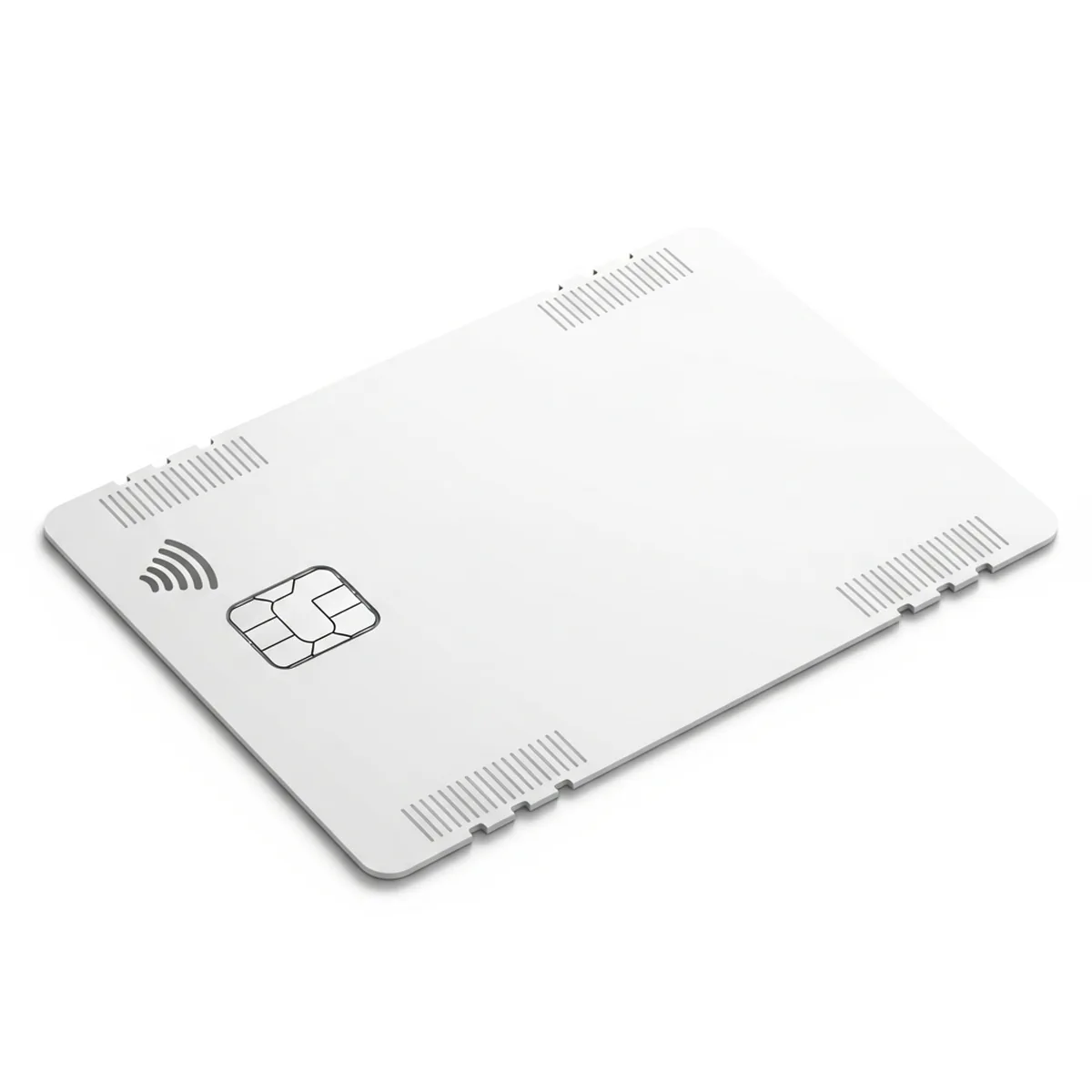
For new deployments or authorised credential issuance. Existing secured cards are not copied.
What is a MIFARE Plus card?
A MIFARE Plus card is a 13.56 MHz ISO 14443 Type A credential with AES-128 security that can operate in a MIFARE Classic-compatible mode (Security Level 1) and later switch to full AES (SL3) as readers are upgraded — a staged migration credential. American Key Cards supplies Plus as provisioning stock for authorized issuance, confirming reader support for the target security level before quoting. Existing secured cards are never copied.
Overview
About MIFARE Plus
MIFARE Plus exists for one specific, valuable scenario: a facility standardized on MIFARE Classic that needs real AES security without ripping out every reader on the same weekend. Plus cards run in a Classic-compatible security level on day one, then switch to full AES operation as readers are upgraded — a staged migration instead of a forklift.
This is a provisioning product: cards are supplied for your system operator’s authorized issuance process, and the migration plan matters as much as the card. We confirm reader support for the Plus security levels and how your issuance will work before quoting, because a migration credential bought without a migration plan is just an expensive Classic card.
Technical details
MIFARE Plus secure access cards specifications
- Frequency
- 13.56 MHz
- Standard
- ISO/IEC 14443 Type A
- Security
- AES-128 secure messaging
- Security levels
- SL1 (Classic-compatible) through SL3 (full AES) migration path
- UID
- 7-byte UID
- Card dimensions
- CR80 ISO/IEC 7810 ID-1 — 85.6 × 54 mm
- Thickness
- 30 mil / 0.76 mm
- Printing
- Dye-sub direct-to-card printable
- Ordering route
- New deployment or authorised personalisation
Available configuration
Choose the form factor after the technology
Where it fits
Common MIFARE Plus applications
Corporate campuses leaving Classic
Phased AES migration across dozens of doors, where readers upgrade building-by-building and one card population works throughout.
Universities hardening campus cards
Student credentials that stop being trivially clonable, issued through the existing card office workflow.
Healthcare facilities under audit
Access credentials whose cryptography survives a security assessment, on a timeline the facilities budget can absorb.
System integrators planning migrations
Card stock aligned to a documented level-switch plan, with the security-level mechanics agreed up front.
Before you order
How to order MIFARE Plus correctly
- Reader support decides the timeline
Plus’s value is its staged security levels, but readers must support the target level. We check your reader estate’s capability before you commit to card stock.
- Key management is the real project
AES security means someone holds keys. Decide who — you, your integrator, or a card office — before issuance begins; we align the card configuration to that answer.
- Issuance is authorized, not casual
As with all secured credentials, we supply stock for legitimate system operators. Existing secured cards are never copied — that is the security working as intended.
Compatibility reference
Find your exact reader format
Choose the matching format before ordering. These pages list the relevant reader families, OEM references and credential requirements.
Questions we actually get
MIFARE Plus FAQ
Can MIFARE Plus cards work on my current Classic readers?
Yes — that is the design. In Security Level 1 a Plus card behaves like a Classic card to installed readers, then the population switches to AES levels as your readers are upgraded.
Why choose Plus over jumping straight to DESFire?
Plus preserves the Classic memory map, which suits systems whose software expects Classic’s sector structure. Green-field secure deployments usually go DESFire; migrations with legacy software constraints go Plus.
Who holds the AES keys?
Your organization or its designated integrator. We supply the card stock configured for your issuance process; key custody stays with the system operator, which is where it belongs.
What happens to lost Classic cards during migration?
Replace them directly with Plus stock — new issues run at the compatible level until the switch, so the migration does not create a two-card problem.
Need help identifying the technology?
Send a photo of the credential and the reader model. We'll identify the format before we quote a compatible product.
Lifetime parts & workmanship guarantee on every card